
Getting Back Into the School Rhythm After the Holidays
The holidays are magical, chaotic, and exhausting all at once. Families spend weeks decorating, baking, wrapping, and celebrating—and when it’s all over, the thought of jumping right back into schoolwork can feel overwhelming. The holiday break is joyful, but it often leaves everyone—parents and kids alike—needing a little extra time to recover.
When the new year rolls around, the goal isn’t to dive straight into full lessons but to gently rebuild structure and focus. Easing back into homeschool after the holidays helps prevent burnout, encourages motivation, and creates a smoother transition for everyone.
Start Slow with the Basics
Instead of restarting every subject right away, focus on the essentials first. Math and reading (or spelling) lay the foundation for all other learning. These skills are practical and lifelong—budgeting, calculating costs, and reading instructions are part of everyday life. Once those core subjects feel comfortable again, slowly add back history, science, and electives over the next couple of weeks.
Rushing back into a full workload can lead to frustration for both students and parents. Remember that November and February tend to be the toughest months for homeschool families—November because of holiday prep, and February because everyone is still recovering from it. A gradual approach helps everyone ease back in without burnout.
Create Gentle Structure
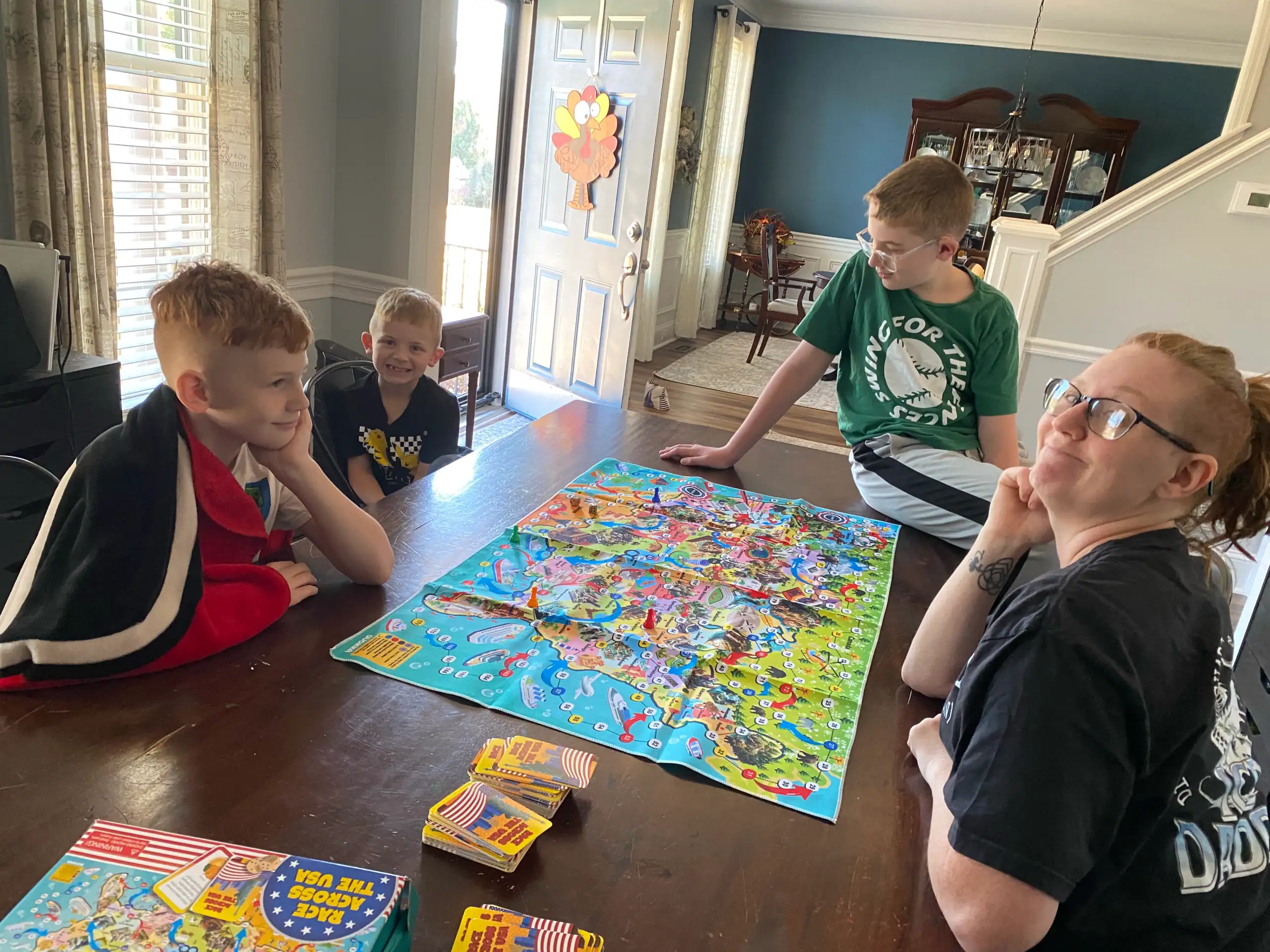
Morning routines can feel tough after a long break, especially when kids are still buzzing from new gifts and relaxed schedules. Starting the day with something fun, like a family board game, can help reconnect and engage learning naturally. Games such as Risk or trivia encourage conversation, logic, and curiosity while setting a positive tone for the day.
For families using online programs like Miacademy, independent learning can provide structure while giving parents time to get back into rhythm. Whether school time starts with a game, reading session, or video lesson, the goal is consistency, not perfection.
If a daily routine already exists, even loosely, that familiarity makes returning to school smoother. Simple rules—such as completing certain tasks before free time—help reset expectations without conflict.
Balance Joy and Discipline
Timers can be a lifesaver, especially in busy or neurodivergent households. Setting clear time limits for morning routines or assignments keeps everyone accountable without constant reminders. For example, if kids take longer than the set time to get ready, those minutes can be deducted from daily screen or game time. It’s a fair, structured way to maintain boundaries while teaching time management.
It also helps to remember that learning doesn’t always have to look like worksheets. Board games, trivia, and strategy games can all be valuable learning tools. When education feels like play, it keeps curiosity alive and makes returning to “school” feel much less like a chore.
Ease Emotional Transitions
After the holidays, excitement over new toys and routines can make it difficult to focus on lessons. The key is to blend learning with play. Schedule shorter lessons with breaks in between so kids can enjoy their new toys or hobbies. Over a couple of weeks, the novelty fades, and transitioning back into academics becomes much easier.
Keeping a bit of the holiday spirit alive can also help. Decorations often stay up from Black Friday until about a week after New Year’s Day—not just for cheer, but because there are four birthdays between Christmas and January 5th in our household! The festive energy helps everyone feel less like the holidays ended abruptly and more like they’re slowly winding down.
Plan Realistically and Stay Flexible
The first week back can feel challenging. New toys, disrupted sleep schedules, and leftover excitement make focusing hard for kids. Prepare for shorter lessons, more breaks, and lots of grace. Consider rewarding effort with small play breaks between subjects or a fun activity after lessons are complete.
Holiday momentum can also be used creatively. Turn school lessons into games, challenges, or hands-on projects. Keeping that spark of fun from the holidays can transform the return to homeschool into something kids look forward to rather than dread.
Give Yourself Grace
Parents often feel pressure when scrolling through social media, seeing other families already back to full routines. But every homeschool runs on its own timeline. Taking things one day at a time prevents burnout and helps families rediscover their learning rhythm naturally.
Progress doesn’t always look like a perfect school day. Learning happens in everyday moments—reading recipes, playing strategy games, asking big questions, or exploring outside. School doesn’t have to look like school to count.
Remember, learning isn’t limited to worksheets or textbooks. Everyday moments count too! If you’d like more inspiration, check out my post on everyday learning in homeschool.
The holidays may be over, but the joy, curiosity, and connection built during that time can carry forward into the new year. The rhythm of learning always returns—one gentle, grace-filled day at a time.